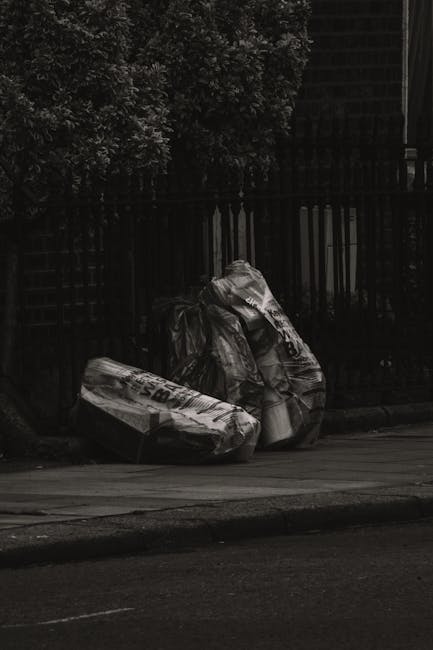
Rubbish removal guide Carshalton Road Sutton residents

If you live on or near Carshalton Road in Sutton, rubbish can build up fast. One bag turns into three, a broken chair waits in the hallway, and suddenly the spare room looks like a storage unit that never asked for the job. This Rubbish removal guide Carshalton Road Sutton residents is here to make the whole process feel simpler, calmer, and more manageable.
Whether you are clearing a flat, tidying a garden, shifting old furniture, or dealing with renovation waste, the basics are the same: know what you have, sort it properly, choose the right removal method, and avoid the usual headaches. Sounds straightforward. In real life, it often isn't. So let's break it down in a way that actually helps.
For residents who want a more hands-off approach, it can also be useful to compare your wider clearance options, including general waste removal support, furniture disposal, and more tailored services such as house clearance or garage clearance. Not every job needs the same method, and that part matters.
Quick takeaway: The best rubbish removal approach is the one that matches your waste type, access, timing, and budget without creating extra stress. If you plan a little before lifting a single bag, the rest tends to go much smoother.
Why Rubbish removal guide Carshalton Road Sutton residents Matters
Carshalton Road sits in a lived-in part of Sutton where homes, flats, small businesses, and busy household routines all overlap. That means rubbish removal is rarely just about "getting rid of stuff." It is about keeping pathways clear, avoiding clutter in tight spaces, and making sure waste leaves your property safely and legally.
There's also a practical side people sometimes overlook. When waste sits around too long, it starts to get in the way of normal life. You stop using the garage properly. The spare room becomes the dumping ground. The garden turns into a patchwork of old pots, broken furniture, and forgotten bits from three summers ago. We've all seen it happen. You may even have done it yourself, no judgement.
For Sutton residents, good rubbish removal also matters because different waste types often need different treatment. Food waste, old timber, electrical items, garden cuttings, plasterboard, and bulky furniture are not all handled the same way. Mixing them up can create delays, extra charges, or avoidable waste.
And if you are near the busier stretch of Carshalton Road, timing and access matter too. Parking, stairwells, narrow entrances, and shared access points can turn a simple job into a faff if nothing is planned. A good guide saves time, money, and a fair bit of irritation.
How Rubbish removal guide Carshalton Road Sutton residents Works
At a practical level, rubbish removal usually follows a simple pattern: identify the waste, decide whether it can be reused or recycled, choose a disposal route, then have it collected or moved out safely. That sounds neat. Real homes are not always neat, but the process still follows that structure.
For many households, the first decision is whether the job is a quick mixed-waste clear-out or a more specific clearance project. A single sofa and a few bags of clutter might be straightforward. A loft packed with boxes, old decorations, and dusty items from years ago is a different story. Same with post-renovation debris, which can be heavy and awkward. If that sounds familiar, builders waste clearance is often a better fit than standard household rubbish collection.
Next comes sorting. This is where people save themselves trouble. Separate bulky furniture from loose rubbish. Keep electrical items apart. Put garden waste in one group. If you are dealing with a whole property, it can be worth looking at a structured service such as home clearance or flat clearance, depending on the property layout.
Then there's access. Can a large item be carried safely down stairs? Is there parking close enough to load efficiently? Are there awkward corners, low ceilings, or shared hallways to think about? These details sound small until you are halfway down the stairs with a wardrobe. Truth be told, that is usually where the complications begin.
What the process usually looks like in practice
- List the items you want removed.
- Group them by type: furniture, garden waste, general rubbish, builders waste, or mixed clutter.
- Check whether anything can be reused, donated, or recycled.
- Measure large items and note access issues.
- Get a quote based on volume, weight, and labour.
- Arrange a time that works with your building, neighbours, or business hours.
- Make sure the waste is removed, sorted, and dealt with responsibly.
If you are dealing with a room full of old chairs, tables, or wardrobes, a dedicated furniture clearance service can save a lot of back-and-forth. It is not just about lifting; it is about handling items efficiently and avoiding unnecessary damage.
Key Benefits and Practical Advantages
The biggest benefit is obvious: you get your space back. But there are other advantages that matter just as much, especially if you live on a busy road and do not want waste hanging around for days.
- Less stress: One organised clearance is easier than five small trips you keep putting off.
- Better use of space: A cleared loft, garage, or spare room becomes useful again.
- Safer movement: Fewer trip hazards, fewer blocked exits, fewer awkward piles by the front door.
- Cleaner presentation: Handy if you are selling, renting out, renovating, or simply trying to reset the house.
- More responsible disposal: Waste can be separated, recycled, or dealt with properly instead of becoming one big mixed mess.
There's also a psychological gain people don't always mention. Clearing waste changes the mood of a place. A cluttered room can feel heavy and unfinished; a clear one feels lighter, even if the paint still needs doing. You notice the difference straight away, usually the moment the last item leaves the room.
For bigger jobs, a full house clearance can be more efficient than trying to patch everything together across several separate visits. And for mixed rubbish that is not tied to one type of room, broader waste removal support is often the most straightforward route.
Who This Is For and When It Makes Sense
This guide is useful for a wide range of Carshalton Road residents, but it is especially relevant if any of these sound familiar:
- You are moving house and need a fast clear-out.
- You have recently done a DIY or decorating project.
- Your loft, garage, or shed has become a long-term storage problem.
- You are helping a relative clear a property.
- You rent a flat and need to remove bulky items before check-out.
- You run a small office or home business and want waste handled neatly.
- You need to dispose of old furniture without damaging communal areas.
In flats, access and neighbour consideration are often the deciding factors. A small hallway and shared staircase can turn a simple job into a slow one. That is where a flat clearance approach makes more sense than trying to manage everything yourself.
For homeowners, the pressure often comes from storage rooms, lofts, garages, or garden areas that have quietly filled up over time. A loft clearance or garden clearance may be the exact solution, especially if the waste is awkward, dusty, or damp after sitting out through one too many rainy spells.
And if your issue is mainly one or two bulky pieces rather than a full clear-out, keep it simple. Sometimes a focused item-based service works better than a whole-property job. No need to make life harder than it needs to be.
Step-by-Step Guidance
If you want the process to run smoothly, follow a clear sequence. Rushing straight to removal without sorting usually causes the mess to return later in another form.
1. Walk through the space slowly
Start with a proper look, not a quick glance. Open cupboards, check corners, look behind the door, and inspect storage areas you tend to ignore. That one back corner in the garage often hides more than you think.
2. Separate waste by type
Split items into rough groups:
- General household rubbish
- Bulky furniture
- Garden debris
- DIY and builders waste
- Electricals and metal items
- Reusable belongings
This step is one of the easiest ways to avoid confusion later. It also helps the job feel less intimidating. A mountain becomes smaller piles, and small piles are more manageable.
3. Remove anything worth keeping
Sounds obvious, but people still lose useful items in the middle of a clear-out. Check drawers, boxes, and old bags before anything goes. A family photo, warranty paper, charger, or tool set can hide in the middle of what looks like junk.
4. Measure bulky items and note access
Wardrobes, sofas, beds, and appliances can be awkward to move. Measure them, note stair widths if needed, and think about parking access. If there's a tight turn or a low ceiling, mention it early. That small detail can save a lot of awkward shuffling on the day.
5. Choose the most suitable clearance route
If the job is domestic clutter, a home or house-focused service may be best. If it is mainly furniture, go with a furniture-specific option. If the waste comes from a refurb, builders waste is more appropriate. Matching the route to the waste type usually makes the quote more sensible too.
6. Prepare the area before collection
Move lighter items into one place if you can do so safely. Keep hallways clear. Put fragile items out of the way. If there are shared parts of a building, give neighbours a bit of notice where appropriate. It's the polite thing, really.
7. Confirm what happens after collection
Ask how items will be handled. Will they be sorted for reuse or recycling where possible? Are there any items that need special treatment? Good providers should be open about this. You are not being fussy by asking. You are being sensible.
Expert Tips for Better Results
A few small decisions can make the whole job better. In our experience, the smoothest clearances are usually the ones where the homeowner has done a bit of prep and chosen the right type of service from the start.
- Don't wait until the pile becomes a problem. Small clear-outs are easier to manage than emergency jobs.
- Take photos of the waste if you are getting a quote remotely. Good images help avoid surprises.
- Keep separate piles for recyclable or reusable items. It can reduce disposal pressure and help the job feel more organised.
- Prioritise access before collection day. A clear hallway is worth more than people think.
- Be honest about the volume. Underestimating waste usually creates delays or confusion.
- Match the service to the setting. A garage, loft, office, and garden all behave differently. So does the waste.
A slightly odd but useful tip: if a room is overwhelming, set a timer for 20 minutes and deal only with one category. Just paperwork, or just broken items, or just old clothes. That tiny start gets momentum going. You do not need to "finish the whole house" in one heroic afternoon. Nobody does, despite what online advice sometimes pretends.
If recycling matters to you, choose a provider that treats it seriously rather than as a slogan. You can also look into recycling and sustainability practices to understand how waste should be approached more responsibly.
Common Mistakes to Avoid
Most rubbish removal problems are preventable. The issue is usually not the waste itself, but how it was planned.
- Mixing all waste together: This makes sorting harder and can reduce recycling opportunities.
- Forgetting about heavy items: Broken furniture, plaster, and wet garden waste can be much heavier than they look.
- Ignoring access issues: Narrow stairs and parking restrictions can slow everything down.
- Leaving it until the last minute: Rushed jobs are more expensive and more stressful.
- Assuming every item is handled the same way: Electricals, builders waste, and furniture often need different handling.
- Choosing a service based on price alone: Cheap can be fine. Cheap and unclear is where trouble starts.
One mistake we see a lot is the "I'll just put it all by the door" approach. It seems efficient until the entrance becomes blocked and people can't get through properly. A better idea is to stage items neatly in a clear, safe place and keep the route open. Simple, but important.
Tools, Resources and Recommendations
You do not need a van full of specialist gear to prepare for rubbish removal, but a few practical items help.
- Heavy-duty gloves for sharp edges, dusty items, and general protection
- Strong bin bags for loose waste and smaller mixed items
- Tape and labels for sorting keep, donate, recycle, and remove piles
- Measuring tape for bulky furniture and access checks
- Phone camera to record the waste and area before collection
- Step stool or torch for lofts, cupboards, and darker corners
For more structured jobs, it also helps to know the service categories available. If your waste is mainly office-related, office clearance is more suitable than a general household removal. If it comes from a renovation, builders waste clearance is the better fit. And if the property itself is the issue, home clearance or house clearance may be the right route.
There are also the practical service pages that help you compare likely needs and expectations, such as pricing and quotes, insurance and safety, and health and safety policy. Those are the sort of pages people tend to skip, then wish they had read later. Happens all the time.
Law, Compliance, Standards, or Best Practice
Rubbish removal is not only about convenience. In the UK, waste handling carries duties around responsible disposal, correct sorting, and avoiding fly-tipping. You do not need to memorise every detail to make a sensible choice, but you should expect any provider you use to behave carefully and professionally.
For residents, the main best-practice points are straightforward:
- Do not leave waste on pavements, shared paths, or communal areas unless it is part of a planned and permitted collection.
- Keep hazardous or unusual items separate if you are unsure how they should be treated.
- Use a service that is open about safety, handling, and disposal methods.
- Ask clear questions if you are clearing mixed waste, especially where bulky items or renovation debris are involved.
If you are arranging a clear-out in a flat or shared building, be extra careful about hallways, fire exits, and access routes. That is not overthinking it; that is just basic common sense. People notice when the route is blocked, and not in a good way.
Good providers should also have clear terms, payment information, and complaint handling routes. If you want to understand how a company frames those basics, pages like terms and conditions, payment and security, and complaints procedure are useful trust signals. They do not solve the waste problem on their own, of course, but they do tell you whether the business takes the fundamentals seriously.
Options, Methods, or Comparison Table
Choosing the right method depends on how much waste you have, what kind it is, and how much lifting you are prepared to do yourself. Here's a practical comparison.
| Method | Best for | Pros | Watch outs |
|---|---|---|---|
| Self-load and tip run | Small, manageable loads | Can be cheaper if you already have transport | Time-consuming; sorting and transport are on you |
| General rubbish removal | Mixed domestic waste | Convenient and flexible | Not always ideal for bulky or specialist waste |
| Furniture-specific clearance | Sofas, beds, wardrobes, tables | Efficient for large items | Needs accurate item details and access info |
| House or home clearance | Whole-room or whole-property jobs | Good for bigger resets and time-saving | Costs can rise if volumes are underestimated |
| Builders waste clearance | DIY debris, rubble, renovation leftovers | Designed for heavier site-style waste | Must be properly sorted and described |
If your main issue is a room full of mixed old items, a broad home clearance can be the easiest route. If it's mostly heavy furniture, then a more focused furniture clearance or furniture disposal option usually fits better. Different job, different tool. Simple as that.
Case Study or Real-World Example
A typical local scenario goes like this. A resident on Carshalton Road has been storing boxes in the loft for years, along with an old armchair, a broken bedside cabinet, and a few bags of mixed household clutter. Nothing dramatic. Just the kind of slow build-up that most homes get when life gets busy.
The first instinct might be to start dragging bags downstairs and make a day of it. But once the loft hatch is open and you feel that warm dusty air and see how awkward the furniture is, the job changes shape. Instead, a more practical approach is to sort everything first: keep items, waste, and bulky furniture into separate groups. Then the clearer list makes it much easier to decide on the right route.
In that situation, the resident may not need a whole-house solution. A blend of loft clearance for the top-floor clutter and furniture disposal for the larger pieces could be enough. That keeps the job focused and avoids paying for a broader service than necessary.
The big win is usually not the removal itself, but the relief after it. The loft becomes usable again. The hallway is clear. The front room stops feeling temporary. And honestly, that can be a nice feeling on a grey Sutton afternoon when the kettle is on and the place finally looks like yours again.
Practical Checklist
Use this checklist before arranging rubbish removal:
- List all items that need removing.
- Separate general rubbish, furniture, garden waste, and builders waste.
- Set aside anything you want to keep, sell, or donate.
- Measure large or awkward items.
- Check access, parking, stairs, and any shared spaces.
- Photograph the waste if you need to explain the job clearly.
- Decide whether you need a specific service such as garage clearance, garden clearance, or office clearance.
- Review pricing, safety, and service terms before booking.
- Choose a collection time that fits your household or building access.
- Prepare a clear route from the waste to the exit.
If you can tick most of those off, the job usually goes much better. Not perfect, maybe. But better. And that matters.
Conclusion
Rubbish removal on Carshalton Road does not have to be complicated. Once you understand the type of waste, the access issues, and the right clearance route, the whole process becomes far more manageable. That is really the heart of this guide: plan first, remove second, and avoid turning a straightforward job into an all-day headache.
For Sutton residents, the smartest approach is usually the one that matches the scale of the task. Sometimes that means a simple waste pickup. Sometimes it means a proper clearance for a flat, house, loft, garage, or garden. Either way, the goal is the same: safe removal, less clutter, and a home that feels easier to live in.
Take it one step at a time. Clear the pile, clear the path, and then enjoy the quiet that comes after. It's a small victory, but a proper one.
Get a free quote today and see how much you can save.
Frequently Asked Questions
What is the best rubbish removal option for Carshalton Road residents?
The best option depends on the type and amount of waste. Small mixed loads may suit general waste removal, while bulky furniture, loft clutter, garden waste, or renovation debris are better handled with a more specific clearance service.
How do I know whether I need a house clearance or waste removal?
If you are dealing with a whole property, multiple rooms, or a major declutter, house clearance is often the better fit. If you just have bags, odd items, or mixed rubbish, general waste removal may be enough.
Can old furniture be removed from a flat or upstairs property?
Yes, but access matters. Stairs, tight corridors, and shared areas should be considered before collection. That is why flat clearance and furniture clearance services are often more practical for apartment living.
What happens to the rubbish after collection?
It should be sorted and handled responsibly, with items separated where possible for recycling, reuse, or appropriate disposal. The exact process depends on the type of waste and the provider's working methods.
Is it cheaper to sort the waste myself first?
Often, yes. Clear sorting can make the job easier to assess and may reduce labour or confusion. Even so, you should only sort what you can do safely. Heavy, sharp, or dusty waste needs care.
How far in advance should I book rubbish removal?
For a straightforward job, a short lead time may be enough. For larger clearances, moving dates, or access-sensitive buildings, it is better to arrange it earlier so you can plan around parking and property access.
Do I need a separate service for garden waste?
Usually, yes, if the waste is mainly outdoor material like cuttings, branches, soil, or old garden items. A garden clearance service is more suitable than treating it as generic household rubbish.
What should I tell the provider before the collection?
Be clear about what you have, how much there is, where it is located, and any access issues. Photos can help too. Honest details lead to fewer surprises, and that is good for everyone.
Can builders waste and household rubbish be mixed together?
It is better not to mix them. Builders waste and household rubbish often need different handling, and keeping them separate helps with sorting, disposal, and quoting.
What if I only have one or two bulky items?
Then a focused furniture disposal or single-item style clearance is often the most sensible route. You do not need to book a larger job if the task is small. Keep it simple where you can.
How do I choose a trustworthy rubbish removal provider?
Look for clear pricing, sensible communication, safety information, and transparent terms. It helps if the provider also explains how they handle different waste types and what happens after collection.
Why is rubbish removal on Carshalton Road a bit trickier than some other streets?
Local access can make a difference. Parking, shared entrances, stairs, and busy household routines all affect how smoothly a collection runs. A bit of planning usually solves most of that, though.
Contact the team if you want to talk through your clearance needs, and if you are comparing service standards, the pages on about us and recycling and sustainability can also help you understand the approach a bit better. A well-handled clearance really can make the day feel easier.