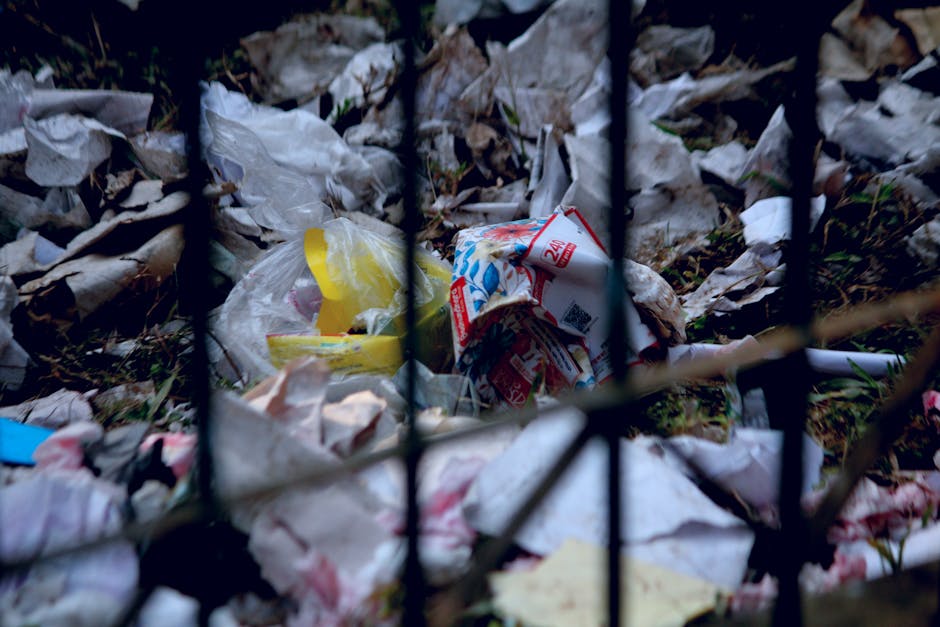
What to do about fly-tipped waste in Sutton town centre
If you've spotted dumped rubbish in the middle of Sutton town centre, you're probably dealing with more than an eyesore. Fly-tipped waste can block pavements, attract pests, create safety hazards, and make a busy high street feel neglected in a matter of hours. The awkward bit is that people often don't know what to do first: report it, move it, photograph it, or call someone out immediately.
This guide walks through what to do about fly-tipped waste in Sutton town centre in a practical, no-nonsense way. You'll learn how to assess the waste safely, who to notify, what not to touch, how removal usually works, and when a professional clearance service makes the most sense. If you're a business owner, landlord, facilities manager, resident, or property manager, this should help you make a calm decision rather than a rushed one. And let's face it, fly-tipping is one of those jobs nobody wants landing on their desk.
For readers who need a broader service overview as well as local support, the main Sutton clearance service page is a useful starting point, while the company's recycling and sustainability approach explains how collected waste is handled responsibly.
Key takeaway: if the waste is unsafe, bulky, or clearly abandoned, document it, avoid direct contact, report it to the relevant authority, and arrange prompt removal through a properly insured, compliant waste carrier if you need the site cleared quickly.
Table of Contents
- Why fly-tipped waste in Sutton town centre matters
- How fly-tipped waste removal and reporting works
- Key benefits and practical advantages
- Who this is for and when it makes sense
- Step-by-step guidance
- Expert tips for better results
- Common mistakes to avoid
- Tools, resources and recommendations
- Law, compliance, standards, and best practice
- Options, methods, or comparison table
- Case study or real-world example
- Practical checklist
- Conclusion
- Frequently asked questions
Why What to do about fly-tipped waste in Sutton town centre Matters
Fly-tipped waste is dumped rubbish left where it should not be: on a pavement, behind a shop, beside bins, in a service yard, near loading bays, or tucked into a corner after closing time. In a town-centre setting, it creates a very different problem from an isolated rural fly-tip. Footfall is higher, visibility is greater, and even a small pile can become a nuisance quickly.
In Sutton town centre, dumped waste can affect shops, food premises, office buildings, residential blocks, and public walkways all at once. That means the impact is not just visual. It can disrupt deliveries, narrow escape routes, make the area feel less secure, and sometimes create odour or vermin concerns. On a damp morning, a cardboard-soaked heap and a few black sacks can turn into something much worse by lunchtime. Truth be told, it rarely stays "just a small mess".
There's also a reputational side. Businesses nearby may worry customers assume the litter belongs to them. Property managers may face complaints. Residents may understandably ask why it hasn't gone yet. So the question is not only how to remove the waste, but how to do it quickly, safely, and with the right records in place.
One practical thing many people overlook is the distinction between fly-tipped waste and ordinary commercial rubbish placed out incorrectly. The response can be similar, but the reporting trail, waste classification, and removal approach may differ. That's why a measured first step matters more than a hurried one.
For organisations that want to keep standards tight, it can also help to review operational support pages such as the health and safety policy and insurance and safety information before any clearance work is arranged.
How What to do about fly-tipped waste in Sutton town centre Works
In practical terms, dealing with fly-tipped waste usually follows a simple sequence: identify the issue, make the area safe, report or log it, then arrange removal. The exact route depends on where the waste is, what it contains, and who has responsibility for the land.
If the waste is on public land, the local authority will often need to be notified. If it is on private land, the landowner, occupier, or managing agent may need to organise clearance themselves. In town centres, that split can get messy fast, especially where a single courtyard, alleyway, or rear access point serves several businesses. A half-open service gate and one rogue pile of waste can become everybody's problem before anyone has had their first coffee.
Removal itself usually involves a site assessment, safe manual loading, segregation where possible, transport by a licensed carrier, and disposal or recycling at an approved facility. Good providers should be able to explain what will happen to the waste, not just turn up and make it disappear. That little bit of clarity matters.
The most reliable approach is usually:
- Assess the scene without touching anything hazardous.
- Photograph and log the waste from a safe distance.
- Report it if the land or situation requires authority involvement.
- Check access for vehicles, loading, and pedestrian safety.
- Arrange removal with a compliant waste provider.
- Confirm disposal route and keep records for your files.
If you need a clearer idea of what a professional quote should cover, the company's pricing and quotes guidance is worth looking at before you book anything.
Key Benefits and Practical Advantages
Sorting fly-tipped waste properly is not just about tidiness. There are a few tangible advantages that show up pretty quickly once the site is cleared.
1. Safer access for everyone
Loose waste can block walking routes, create trip hazards, and make it harder for delivery drivers or cleaners to move around. In a busy town centre, that matters a great deal. One shifted box or broken bag can be enough to cause a slip, especially in wet weather.
2. Better first impressions
People do judge a place by what they see. A clean frontage suggests control, care, and professionalism. A fly-tip does the opposite, even if it wasn't your fault. Clearing it fast helps stop the "this area is being neglected" effect.
3. Less risk of secondary problems
Once waste sits for long enough, it can attract vermin, leak liquid, or encourage more dumping. There's a kind of pile-on effect with fly-tipping. One bag becomes three. Then somebody adds a chair. Then a broken lamp. It's odd how quickly that happens.
4. Better documentation and accountability
If you record what was found, when it was found, and how it was removed, you build a useful trail for landlords, insurers, managing agents, or council follow-up. That record can also help if the waste reappears in the same spot later.
5. Smoother operations
Clear access points mean fewer delivery delays, fewer complaints, and less disruption to nearby tenants or shops. For mixed-use sites, that can be the difference between a minor annoyance and a full afternoon of inconvenience.
If sustainability is part of your decision-making, look for a provider that explains sorting and diversion practices clearly. The recycling and sustainability information is relevant here because it shows the waste is being handled with recovery in mind, not simply tipped elsewhere.
Who This Is For and When It Makes Sense
This topic matters to more people than you might first think. In Sutton town centre, fly-tipped waste can affect all kinds of properties and stakeholders.
- Shop owners and managers dealing with rubbish left beside rear entrances or service areas.
- Office occupiers who find dumped chairs, packaging, or bags near loading points.
- Landlords and managing agents responsible for shared yards, alleyways, or bin stores.
- Facilities teams who need fast clearance with minimal disruption.
- Residents in mixed-use buildings where waste appears in communal access points.
- Community groups or local stewards trying to keep a public-facing area tidy.
It makes sense to act when the waste is visibly abandoned, when it is creating a safety concern, when people are already complaining, or when you suspect it may be attracting further dumping. Sometimes the best decision is simply to move quickly rather than debate whose responsibility it is for the next three days. We've all seen that happen.
It also makes sense if you need the site documented for compliance, insurance, or landlord reporting. In those cases, a provider with clear processes can help, especially if you later need to refer to their complaints procedure or service terms because accountability matters as much as speed.
Step-by-Step Guidance
Here's a practical way to handle fly-tipped waste without making the situation harder than it already is.
Step 1: Stay safe and assess the area
Do not open bags, move unknown materials, or touch anything sharp, leaking, or visibly contaminated. If the site includes broken glass, needles, chemicals, heavy items, or blocked access routes, keep people away until it is assessed properly. Safety first. Always.
Step 2: Take clear photos
Photograph the waste from a safe distance. Capture the size, location, and any obvious identifying details such as labels, packaging, or vehicle clues. If there are several items, one close view and one wider context shot usually help. You do not need a full investigation dossier, just enough evidence to help with reporting.
Step 3: Record the location and time
Write down where it was found, when you noticed it, and whether it appears new or has been there a while. If you manage a site, note who first reported it. This sounds basic, but details vanish quickly once people start phoning around.
Step 4: Report it if the land is public or ownership is unclear
If the waste is on public land, report it through the relevant local route. If you are not sure whether the area is public or private, check ownership or site plans rather than guessing. A rear passage behind a high street unit can be deceptively tricky.
Step 5: Check whether removal needs specialist handling
Some waste can be cleared as general mixed rubbish. Other items may require extra care, sorting, or segregation. Old paint tins, electrical items, and sharp materials often need specific handling. If you see anything that looks hazardous, don't try to be heroic about it. A sensible pause is better than an avoidable accident.
Step 6: Arrange compliant clearance
Choose a waste provider that can confirm collection, transport, and disposal in line with accepted UK practice. Ask how they sort waste, whether they recycle where possible, and whether they can work around opening hours or delivery windows. Town-centre jobs often need a bit of choreography. Not fancy, just careful.
Step 7: Keep records
Save before-and-after photos, invoices, notes, and any reference numbers. This helps with internal reporting, landlord updates, and repeat-issue monitoring. If the same site is affected more than once, your records become very useful indeed.
Expert Tips for Better Results
After dealing with enough awkward clearances, a few patterns become obvious. The fastest jobs are usually the ones where the site has been thought through before the team arrives.
Use better access information than "around the back"
That phrase appears in a lot of instructions, and it helps no one. Give precise access details: gate codes, width restrictions, loading bay timings, stair access, pedestrian zones, and whether a vehicle can stop nearby. Small detail, big time saver.
Separate obvious waste types where it is safe to do so
If the site has mixed waste, there may be value in keeping cardboard, wood, metal, and general rubbish distinct. This can support recycling and may reduce disposal complexity. Do not split anything potentially hazardous without proper care, though.
Choose timing with the town centre in mind
Early morning collections often work better where pedestrian traffic is high. That said, not every location is quiet at dawn. Think about deliveries, school runs, nearby market activity, and how sound carries between buildings. A van reversing at the wrong moment can create chaos for no good reason.
Ask how the waste will be handled afterward
A good provider should be able to explain whether items are reused, recycled, or disposed of as residual waste. It's a fair question. You're not being picky; you're being responsible.
Have a repeat-incident plan
If the same corner, yard, or alley keeps getting fly-tipped, consider lighting, signage, access control, CCTV where appropriate, or changing how waste is stored. Removal is one part of the answer. Prevention is the other part, and in some locations it matters just as much.
Where wider security or compliance concerns exist, it may help to review the company's insurance and safety information before appointing anyone to work on site.
Common Mistakes to Avoid
Fly-tipped waste is often dealt with badly for one simple reason: people rush the first move and then spend ages fixing the consequences. A few avoidable mistakes show up repeatedly.
- Touching unknown waste without checking for sharps, liquids, or contamination.
- Assuming someone else has reported it and waiting for the issue to disappear on its own.
- Leaving waste in place because the area "doesn't look too bad yet". It usually gets worse.
- Using a non-compliant carrier just because they are cheap and available today.
- Failing to keep records of photos, dates, and removal details.
- Blocking access during clearance without warning nearby occupiers or arranging timing properly.
Another common error is thinking all dumped material is the same. It's not. A bag of office paper is one thing. An old fridge, chemical containers, or damp mattresses are something else entirely. Different items mean different risks, and sometimes different disposal routes.
Tools, Resources and Recommendations
You do not need a complicated toolkit to manage a fly-tip properly. What you do need is a small, sensible set of resources that help you respond consistently.
| Tool or resource | Why it helps | Best used for |
|---|---|---|
| Phone camera | Captures evidence before removal | Initial reporting and records |
| Site access notes | Speeds up clearance and reduces delays | Town-centre collections and loading bays |
| Waste transfer paperwork | Supports accountability and traceability | Commercial or managed sites |
| Risk assessment | Identifies hazards before work starts | Large, mixed, or potentially dangerous waste |
| Approved waste carrier | Helps ensure lawful transport and disposal | Any removal job |
For people who are budgeting the work, it is sensible to ask for a clear estimate up front rather than relying on guesswork. The pricing and quotes page can help you understand what to ask for and why itemised clarity matters.
From a practical standpoint, a few resources are worth keeping handy:
- Contact details for the landowner, managing agent, or facilities lead.
- Photos of usual access points and loading bays.
- Internal notes on waste storage locations and collection windows.
- A preferred waste contractor for urgent clearances.
- Records of previous incidents, especially if the same spot is targeted repeatedly.
If you need a provider with strong operational standards, the health and safety policy and insurance and safety information are sensible trust checks before work begins.
Law, Compliance, Standards, or Best Practice
This is the part people sometimes skip, then regret later. You do not need to become a waste-law expert, but you do need to work within accepted UK waste management practice. In general terms, the key points are straightforward: waste should not be handled by someone without the right competence, transport should be carried out by a compliant waste carrier, and disposal should follow appropriate environmental controls.
For businesses and property managers, there is also a documentation angle. If you arrange removal, keep a clear record of who collected the waste, what was removed, and where it went. That is standard good practice and can save a lot of hassle if questions are raised later. No drama, just neat paperwork.
Health and safety should never be treated as an afterthought. If waste may include broken glass, contaminated materials, heavy lifting, or restricted access, a proper assessment is essential. The people on site need suitable equipment, sensible briefings, and enough time to work without cutting corners. A rushed clearance is rarely a better clearance.
Best practice also means being careful about environmental handling. Where feasible, reusable or recyclable material should be separated, and residual waste disposed of responsibly. If your provider can speak clearly about diversion, sorting, and responsible disposal, that is a strong sign.
Finally, if a problem is recurring on private land, consider prevention measures alongside clearance. Better lighting, improved storage, access control, and clearer signage may sound basic, but in town-centre settings they can make a real difference. Sometimes the most useful fix is not the flashiest one.
Options, Methods, or Comparison Table
There are usually several ways to deal with fly-tipped waste in Sutton town centre. The right one depends on urgency, location, risk, and who controls the site.
| Option | Best for | Pros | Limitations |
|---|---|---|---|
| Report and wait for authority action | Public land or council-managed areas | Appropriate where the council is responsible; minimal direct action needed | May not be fast enough for urgent access or business continuity |
| Arrange private clearance | Private land, mixed-use sites, urgent situations | Faster response; tailored timing; direct control | Requires proper vetting and budgeting |
| Partial on-site segregation first | Mixed waste with clearly separable recyclables | Can improve recycling outcomes and reduce disposal complexity | Only suitable when safe and properly supervised |
| Full site clean and clearance | Large or repeated fly-tip incidents | Restores access quickly and tidies the whole area | May take longer and cost more than a simple uplift |
For a town-centre property, private clearance is often the most practical option when time matters. That doesn't mean bypassing reporting if public land is involved; it simply means balancing responsibility with real-world urgency.
Case Study or Real-World Example
Imagine a small service yard just off Sutton town centre. On Monday morning, a manager arrives to find several black sacks, broken flat-pack panels, and a damaged office chair leaning against the bins. Nothing dramatic at first glance, but the sacks are partly open, and pedestrians can see the mess from the alley.
The first instinct is to pull the bags into the bin store. That would be a mistake. Instead, the manager photographs the waste, notes the time, checks whether any items look hazardous, and keeps staff away from the area. Because the access point is private, the team arranges a quick collection with a properly insured waste contractor and shares notes on access and timing.
The clearance takes place early the next day, before deliveries begin. The contractor removes the dumped material, checks for separate recyclable items where safe to do so, and provides documentation for records. The manager also reviews the rear gate and notices that a damaged latch had made access easier than it should have been. A simple repair, a better lock, and a clearer sign reduce the chance of a repeat.
Nothing dramatic, no heroic speeches, just sensible action. And that's often how these jobs are best handled.
Practical Checklist
Use this checklist if you need to deal with fly-tipped waste quickly and calmly.
- Take photos from a safe distance.
- Note the location, time, and visible contents.
- Keep staff, visitors, and the public away from any hazard.
- Do not open bags or move unknown materials.
- Confirm whether the land is public or private.
- Report the issue through the appropriate route if needed.
- Check for sharps, liquids, heavy items, or contamination.
- Arrange a compliant waste collection if you control the site.
- Ask for clear pricing and a written scope if possible.
- Keep before-and-after records for your files.
- Review prevention measures after the clearance is complete.
If you want a provider that also makes administrative life easier, it is worth checking the practical service pages, including payment and security details and the company's accessibility statement for a smoother user experience when you're managing things under pressure.
Conclusion
Dealing with fly-tipped waste in Sutton town centre is rarely just about removing rubbish. It is about keeping people safe, protecting access, preserving the look and feel of a busy place, and making sure the response is lawful and well documented. Once you break it down into safe steps, the process becomes much more manageable.
If the waste is on public land, report it through the right route. If it is on private land, act promptly, check the hazards, and arrange a compliant clearance. In both cases, clear records and sensible judgement make a big difference. The fastest fix is not always the best fix, but the best fix is usually the one that is careful, traceable, and properly handled.
Get a free quote today and see how much you can save.
And if you're dealing with a stubborn, awkward pile right now, don't panic. Start with safety, keep the paperwork tidy, and take it one step at a time. That's usually enough to get the place back to normal, and honestly, that's a relief all by itself.
Frequently Asked Questions
What should I do first if I find fly-tipped waste in Sutton town centre?
Start by checking for immediate hazards, then photograph the waste from a safe distance and record the location and time. If it is on public land or the ownership is unclear, report it through the relevant route before arranging any removal.
Can I move fly-tipped waste myself?
Only if it is clearly safe and you are allowed to do so. Avoid touching anything sharp, leaking, heavy, or suspicious. If you are not sure what the waste contains, it is better to leave it alone and arrange proper clearance.
Who is responsible for clearing fly-tipped rubbish?
Responsibility depends on whether the waste is on public or private land. Public land is typically reported to the local authority, while private land is usually the landowner's or occupier's responsibility. It can be worth checking site ownership if you are unsure.
How quickly should fly-tipped waste be removed?
As quickly as possible, especially in a busy town-centre location where the waste may affect access, safety, or business operations. The right timescale depends on the risk level, the type of waste, and who controls the site.
What kinds of waste are most risky?
Broken glass, sharps, chemicals, liquids, food waste, electrical items, and heavy objects are common concerns. Mixed waste can also hide hazards, so don't assume a pile is harmless just because it looks like ordinary rubbish.
Do I need a licensed waste carrier for removal?
Yes, if you are arranging private clearance, you should use a compliant waste carrier. That helps ensure the waste is transported and disposed of properly, with the right records kept for accountability.
Will a clearance company recycle the waste?
They should aim to recycle or recover suitable materials where possible, though it depends on the condition and type of waste. Ask in advance how the company sorts and processes collected materials, particularly if sustainability matters to you.
How much does fly-tip removal cost?
Costs vary depending on volume, access, waste type, urgency, and whether anything needs specialist handling. A small, easy-access collection will usually cost less than a large mixed load from a tight rear yard. A proper quote is the best way to understand the likely price.
What records should I keep after the waste is removed?
Keep photos, the date and time, the waste type, the collection details, and any invoice or paperwork from the contractor. If the problem repeats, those records can help you spot patterns and support further action.
What if the waste keeps coming back in the same spot?
Look at prevention as well as removal. Lighting, gate security, signage, waste storage arrangements, and access control can all help reduce repeat incidents. If the issue is persistent, a combination of clearance and site changes is often the most effective response.
Is it safe to leave fly-tipped waste until the council collects it?
Not always. If the waste is blocking access, causing a hazard, or affecting a private site, waiting may not be the best option. In urgent or business-critical situations, quicker private clearance can be the more practical choice.
How do I know if the waste is hazardous?
Look for warning signs such as strong odours, spills, unknown containers, sharps, batteries, old paint tins, or damaged electrical items. If anything seems unusual, treat it cautiously and get professional advice before anyone tries to move it.